Online

 Home
Home

When Renovating the Whole Home Makes More Sense
A home can change gradually while the people living in it change much faster. Rooms that once seemed practical may begin to feel disconnected. Storage may no longer be sufficient, finishes may reflect several generations of updates, and a floor plan that technically provides enough square footage may still make everyday routines unnecessarily difficult. When those issues extend beyond a single room, a coordinated whole-home renovation can provide a more sensible path forward.
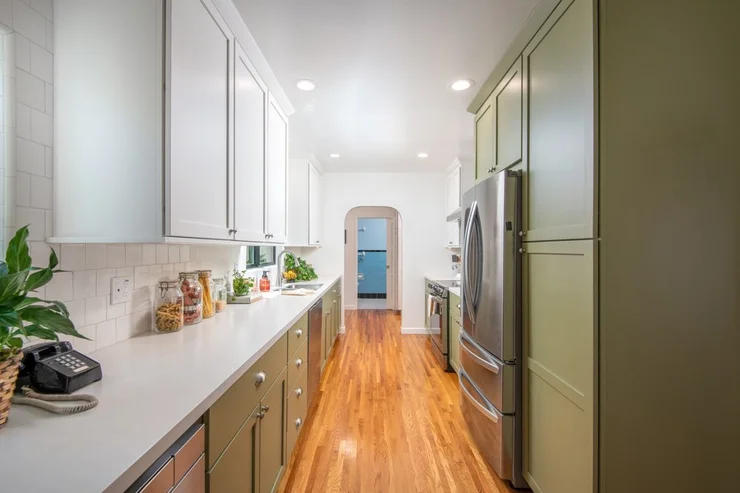
Working with home renovation contractors Chandler homeowners consider for larger projects is different from hiring someone to update one isolated space. A whole-home project requires decisions to work together. Flooring affects transitions between rooms. Kitchen changes can influence dining and living areas. Bathroom improvements may be coordinated with other interior work. Lighting, finishes, storage, circulation, and room functions all become parts of a larger plan.
The objective is not to change everything simply because the project covers a larger portion of the house. A successful renovation identifies what deserves attention, what can remain, and which improvements will make the greatest difference to the way the property functions.
There is an important difference between having several rooms that look dated and having a home that needs broader reconsideration. If the kitchen works well but needs new finishes, a focused kitchen project may be appropriate. If the kitchen feels isolated, adjoining spaces are poorly arranged, flooring changes abruptly from room to room, and storage problems continue throughout the house, solving each issue independently may create unnecessary compromises.
A home renovation Chandler AZ homeowners plan as one coordinated project allows those relationships to be considered before work begins. Instead of choosing finishes for one room without knowing what will happen next door, the project can establish an overall direction and then determine how individual spaces fit within it.
This approach can be particularly useful when a property has already been remodeled in stages. One room may reflect one period, another may have been updated years later, and common areas may still retain older materials. Nothing is necessarily wrong with renovating gradually, but eventually the accumulation of separate decisions can make the interior feel fragmented.
Whole-home planning creates an opportunity to restore continuity without assuming that every existing element needs replacement.
More Than a Cosmetic Makeover
A complete renovation can certainly transform how a home looks, but appearance is only one part of the decision. The more useful question is how the house should work when the project is finished.
Perhaps people regularly cross through the kitchen because circulation around it is awkward. Maybe the dining area receives little use while another room feels overcrowded. Storage could be concentrated in places where it is difficult to access. A spare room may no longer serve its original purpose, while work-from-home or guest needs have created new demands elsewhere.
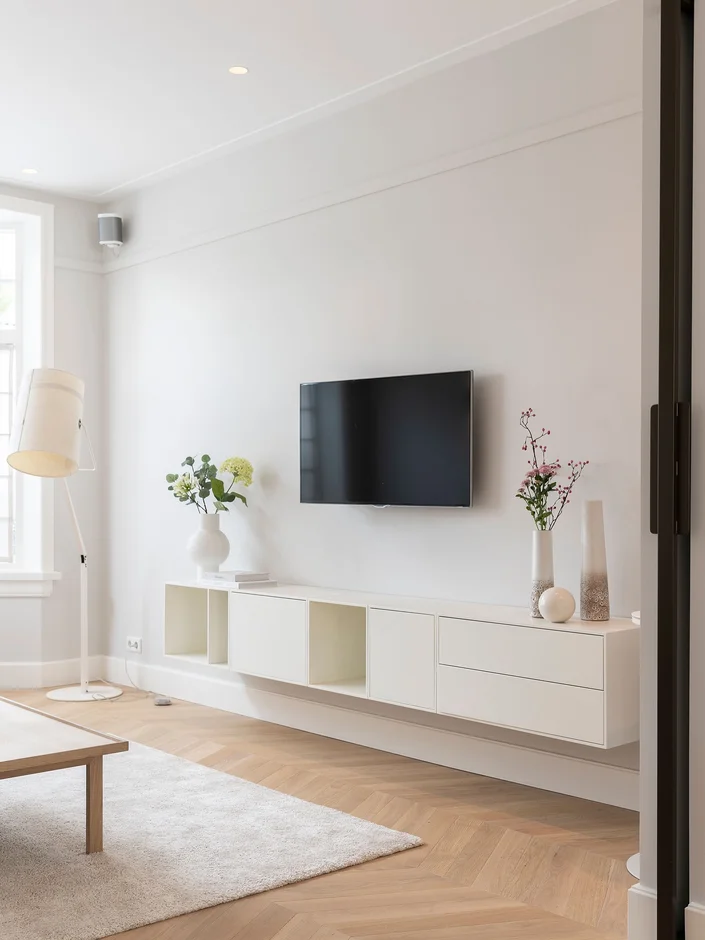
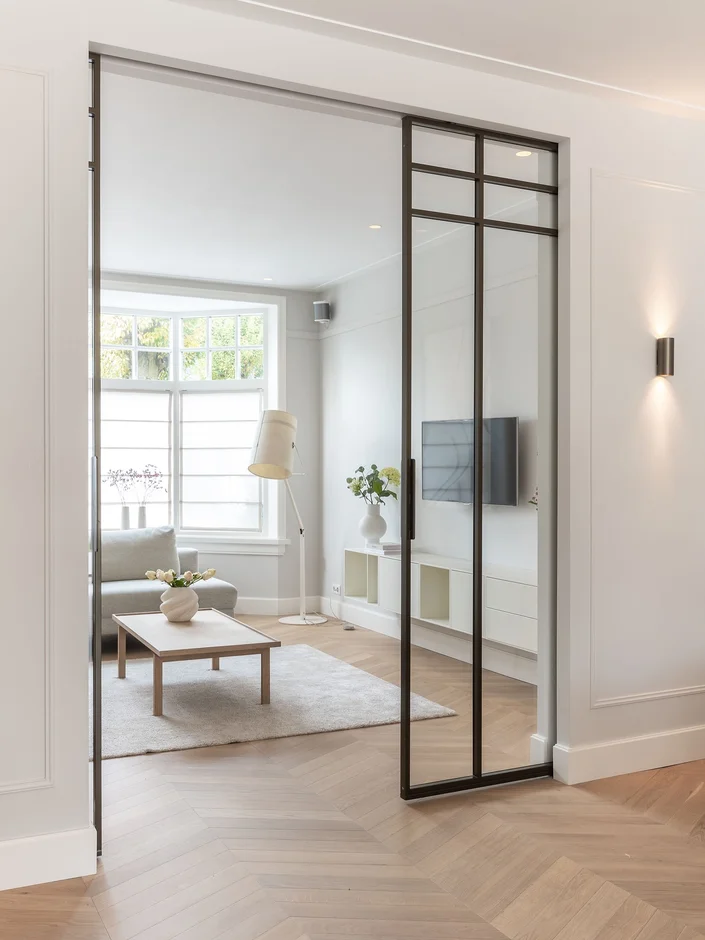
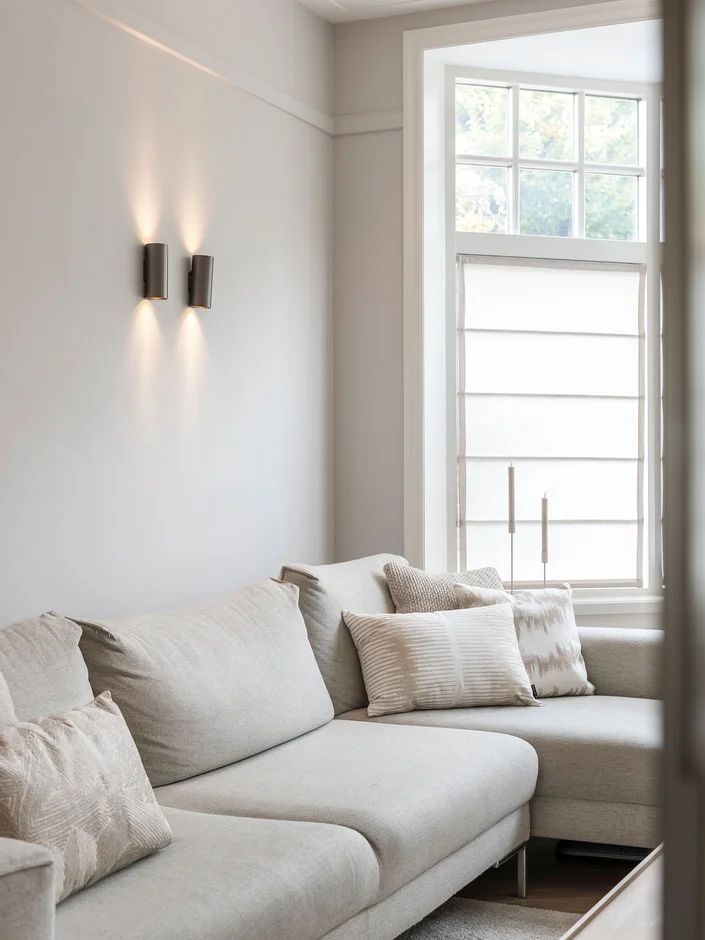
Thoughtful home renovation Chandler projects examine those patterns before concentrating on decorative choices. Depending on the property and scope, improvements might involve rethinking room relationships, updating several interior areas, creating greater material consistency, improving storage, or making existing square footage more useful.
This is also where restraint matters. A larger project does not automatically justify unnecessary structural change. Sometimes substantial improvements can come from better space planning and coordinated interior updates. Other properties may genuinely require more extensive reconfiguration. Existing conditions and homeowner priorities should determine that distinction.
What Can Be Coordinated in a Whole-Home Project?
Whole-home renovation is best understood as a planning framework rather than a fixed package. The exact work depends on the property. One house might require significant kitchen and common-area changes while its bedrooms remain largely intact. Another might need consistent flooring, bathroom improvements, storage solutions, and updates across several living areas.
Common areas of consideration can include kitchen functionality, bathroom usability, flooring transitions, lighting, storage, interior finishes, circulation between rooms, and the relationship between indoor and outdoor spaces.
For Chandler homes, that final relationship can be especially relevant. A renovation may consider how interior gathering areas connect with a patio or backyard rather than treating the exterior as completely separate from the way the household lives. This does not mean every whole-home project needs outdoor construction. It means the existing home should be considered as a connected environment.
The Benefits of Professional Whole-Home Renovation Planning
Coordinating several areas introduces considerably more decisions than renovating one room. Professional planning can help organize those decisions around the larger objective instead of allowing each room to develop independently.
A More Unified Direction
Materials, finishes, flooring, lighting, and room layouts can be considered together. This helps create continuity without requiring every room to look identical.
Better Understanding of Project Scope
One of the most valuable early decisions is identifying what the project does not need. Experienced planning can help distinguish essential work from optional improvements and prevent a broad renovation from becoming an undefined list of changes.
More Logical Sequencing
When multiple spaces are involved, the order of decisions and work matters. A coordinated plan can account for dependencies between rooms and reduce the risk of making an early choice that conflicts with later work.
Stronger Layout Decisions
Room-by-room remodeling can overlook problems that exist between rooms. Looking at the house more broadly makes it easier to evaluate circulation, transitions, sightlines, storage, and the way common spaces interact.
More Informed Material Choices
Selections can be evaluated according to where they will be used, expected wear, maintenance preferences, visual continuity, and the overall renovation rather than appearance alone.
How Our Whole-Home Renovation Approach Works
A large renovation becomes easier to understand when it is broken into clear stages. The precise construction process depends on the property and final scope, but the planning journey can begin with a consistent framework.
Step 1: Start With the Problems, Not the Products
Before thinking about cabinet colors or flooring samples, identify what is frustrating about the current home. Consider spaces that are rarely used, areas that feel crowded, storage problems, difficult circulation, outdated rooms, and features that no longer suit the household.
Step 2: Look for Connections Between Those Problems
Several complaints may have the same underlying cause. A cramped kitchen and an unused adjoining room, for example, should not necessarily be evaluated independently. Understanding those relationships helps establish whether a broader renovation is justified.
Step 3: Separate Priorities From Preferences
Determine what must improve for the renovation to be worthwhile and what would simply be nice to have. This distinction provides a useful foundation for later scope and budget discussions.
Step 4: Develop the Overall Direction
Once the main priorities are clearer, the project can be considered as a connected plan. This is the stage for thinking about room relationships, material continuity, storage, lighting, finishes, and other elements that affect multiple spaces.
Step 5: Define Individual Areas
Each room still needs its own decisions. Kitchens and bathrooms have different functional requirements from bedrooms or living areas. The difference is that these choices now sit inside a broader renovation strategy rather than developing in isolation.
Step 6: Refine Scope Before Moving Forward
A defined scope makes later conversations more useful. It clarifies which spaces are involved, which changes are priorities, and which decisions need further evaluation before work begins.
Examples of Whole-Home Renovation Goals
Every property presents a different starting point. The following scenarios are examples of renovation logic rather than claims about completed projects.
Example: Connecting Common Living Areas
Imagine a home where the kitchen, dining area, and living room each have adequate square footage but feel poorly connected. The renovation goal might be less about making the house larger and more about improving circulation and creating stronger relationships between the spaces. Kitchen planning, flooring, lighting, and common-area finishes could then be coordinated around that objective.
Example: Bringing Different Generations of Updates Together
A house renovated at several points over the years might have one updated bathroom, an older kitchen, mismatched flooring, and finishes that change noticeably from room to room. A whole-home plan can determine what is worth keeping while establishing greater visual and functional consistency throughout the property.
Example: Adapting the Home to New Routines
A household may need more flexible work, guest, recreation, or gathering space even though the home has enough total square footage. Instead of immediately considering an addition, the first question could be whether existing rooms can be reorganized or assigned more useful functions.
Example: Coordinating Interior and Backyard Living
For a property where the patio and backyard are regularly used, interior renovation decisions might consider access and visual connection to those spaces. The goal would not be to turn a whole-home renovation into an outdoor living project, but to avoid treating important parts of daily life as unrelated.
Why Choose Our Approach to Home Renovation?
Comparing home renovation services Chandler homeowners encounter online can quickly become confusing. Some pages emphasize products. Others concentrate almost entirely on dramatic before-and-after transformations. Our approach begins somewhere more practical: understanding what the house needs to do better.
We Begin With Scope Clarity
The first objective is to understand whether the property actually needs a whole-home project. If the underlying problem belongs to one area, expanding the scope simply for the sake of a larger renovation does not create better planning.
We Keep Function at the Center
A renovation should support daily routines after the novelty of new finishes has passed. Layout, movement, storage, maintenance, comfort, and the relationship between spaces deserve attention alongside visual design.
We Consider the Home as a Connected Space
Decisions in one room can affect another. A broader perspective helps reduce disconnected choices and creates a more coherent direction across the areas included in the project.
We Avoid One-Size-Fits-All Renovation Packages
The right scope depends on existing conditions and homeowner priorities. A custom plan may retain useful elements, concentrate investment where change matters most, and leave areas alone when they already function well.
If you are comparing a home renovation company Chandler homeowners might contact, look beyond a list of services. Ask how the proposed approach will address your particular layout, priorities, and reasons for renovating.
Choosing the Right Renovation Professional
Large residential projects involve more than finding someone who can perform individual construction tasks. Homeowners should understand who is responsible for the scope, how decisions are documented, how changes are addressed, and how the different parts of the renovation will be coordinated.
When comparing a home renovation contractor Chandler project owners are considering, ask questions specific to your project rather than relying only on general marketing language. Discuss which spaces are involved, what problems you want solved, and how the proposed scope responds to those goals.
Searches for home renovation experts Chandler or even home renovation websites Chandler can produce many options, but a polished website alone does not establish whether a particular provider is appropriate for a particular project. Verify relevant credentials, scope capabilities, references, contractual terms, and other important business information directly before making a hiring decision.
Frequently Asked Questions About Whole-Home Renovation
What is considered a whole-home renovation?
A whole-home renovation generally involves coordinated improvements across several areas rather than one isolated room. That does not necessarily mean every surface or room must be replaced. The defining characteristic is that multiple parts of the property are planned in relation to one another, often around broader goals such as better flow, updated functionality, consistent finishes, or adapting the house to changing household needs.
How is whole-home renovation different from remodeling one room at a time?
Individual projects concentrate on the needs of a particular space. Whole-home planning looks at how decisions interact across several areas. Flooring transitions, circulation, lighting, finish continuity, and the relationship between kitchens and common spaces can be considered before separate room decisions are finalized.
Does a whole-home renovation require changing the floor plan?
No. Some properties may benefit from layout changes, while others already have a workable floor plan and primarily need coordinated interior improvements. Existing conditions and project goals should determine whether substantial reconfiguration makes sense.
Can we keep parts of the house that are already in good condition?
Yes. A thoughtful renovation does not require replacing useful elements simply to make the project feel comprehensive. Identifying what should remain can be just as important as deciding what should change. Retaining suitable features may also help focus the project on areas where improvements will have greater practical impact.
Should the kitchen and bathrooms be renovated at the same time?
Not automatically. Coordinating them may make sense when both are part of a larger renovation, but their inclusion should follow the project's priorities and existing conditions. The advantage of whole-home planning is that even work scheduled differently can be considered within one overall direction.
Can flooring be coordinated throughout a renovation?
Yes. Flooring is often one of the elements that visually connects multiple spaces. The appropriate strategy depends on room use, existing conditions, maintenance preferences, desired transitions, and material suitability rather than simply choosing one product for every room.
How do I know whether I need a renovation or an addition?
Start by asking whether the existing square footage can realistically support your needs. If the main problem is poor use of existing rooms, reconfiguration may provide a solution without expanding the footprint. When additional usable space is genuinely needed, a separate home-addition evaluation may be more appropriate.
Can a whole-home renovation include outdoor living areas?
It can consider the relationship between interior and exterior spaces, particularly when patios or backyard areas are important to the household. However, substantial patio construction, outdoor kitchens, pergolas, or broader backyard work should be scoped as outdoor living improvements rather than being casually bundled into an interior renovation.
What determines the cost of a whole-home renovation?
Major cost drivers can include the number and size of spaces involved, existing conditions, structural changes, kitchen and bathroom scope, material selections, flooring, custom elements, and overall project complexity. Without evaluating the property and defining the work, publishing a single price can create misleading expectations.
How long does a whole-home renovation take?
There is no reliable universal timeline. A mostly finish-focused multi-room update differs significantly from a project involving extensive layout changes and multiple complex spaces. Planning, selections, existing conditions, project scope, and construction sequencing can all influence duration.
Should we choose finishes before deciding the layout?
Usually, major functional and layout decisions deserve attention first. Selecting finishes too early can create constraints when the scope changes. Once the overall direction and room functions are better defined, material and finish selections can be made with more useful context.
Can a whole-home renovation be completed in phases?
Potentially. Phasing can be useful when homeowners want to spread work over time, but the larger plan should ideally be considered before the first phase begins. This helps reduce conflicting decisions and makes it easier for later improvements to relate logically to earlier work.
What should we decide before contacting renovation professionals?
You do not need a finished design. It is more useful to identify what is not working, which areas concern you most, what changes matter most to the household, and which ideas are optional. Photos, inspiration, and a rough list of priorities can provide useful context for the first conversation.
What should I ask when comparing renovation contractors?
Ask how they would define the scope, who will be responsible for different stages, how project changes are handled, and what documentation supports claims about qualifications or experience. You should also understand the proposed agreement and verify business credentials relevant to your project before making a decision.
What is the best way to begin a whole-home renovation in Chandler?
Begin with the reasons for renovating rather than a shopping list of products. Walk through the home and identify recurring problems with layout, storage, comfort, circulation, appearance, and room use. From there, determine which issues are connected and whether coordinating them within one renovation plan would produce a more useful result.
Start With the Home You Have and the Way You Want to Live
You do not need to know every detail before beginning to explore a renovation. What matters initially is understanding where the current home falls short. Maybe several rooms need to function better together. Perhaps years of separate updates have left the interior feeling inconsistent. Or your household has changed and the spaces around you have not changed with it.
A whole-home renovation provides an opportunity to look beyond isolated surfaces and consider the property more deliberately. The goal is not renovation for its own sake. It is to identify meaningful changes, coordinate them intelligently, and create a home that better supports everyday life.
Tell us what you would like to change in your Chandler home and start defining a clearer direction for your renovation.